
Spinal & Joint Manipulation
A precise, controlled movement applied to a joint to improve mobility and reduce restriction.
Chiropractic Services · Crows Nest, Sydney
Evidence-informed chiropractic in Crows Nest for back pain, neck pain, headaches, sciatica and sports injuries — assessment, hands-on treatment and rehab for everyday life, athletes and active people across Sydney's Lower North Shore.
Chiropractic care is a hands-on, evidence-informed approach to assessing and managing pain and dysfunction in the muscles, joints, and nervous system. Rather than relying on medication or surgery, chiropractors use manual techniques, such as joint mobilisation, manipulation, and soft tissue work, alongside exercise rehabilitation and patient education to help restore movement, reduce pain, and support the body's own capacity to recover.
A chiropractic visit typically involves a thorough history, a physical assessment of movement and function, and a tailored treatment plan built around the individual's goals, whether that's returning to sport, managing a chronic condition, or simply moving more comfortably day to day.
Care for Active People
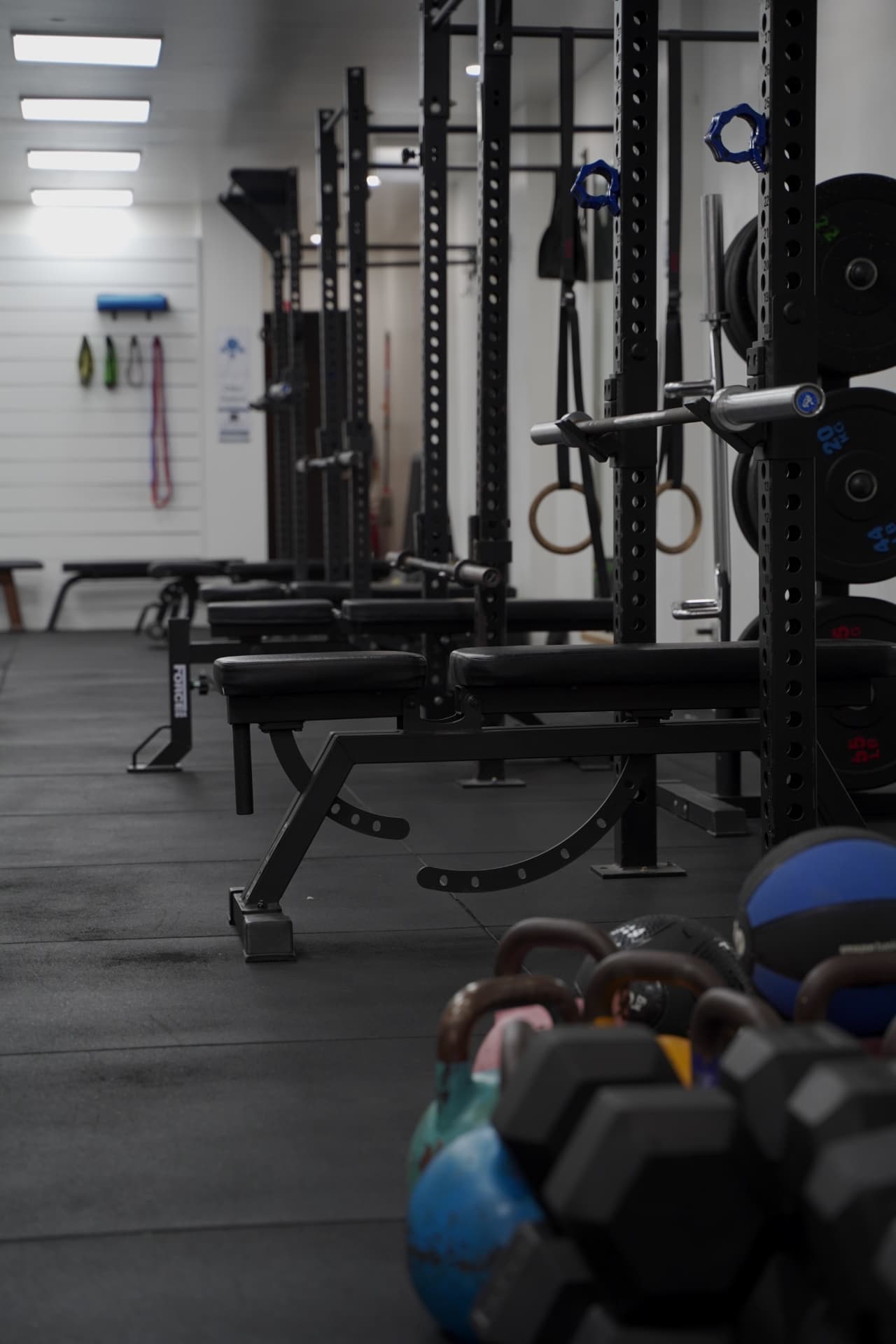
Our approach combines injury assessment, manual therapy, and rehabilitation with an understanding of biomechanics, load management, and movement demands. The goal is not only to treat injury, but to support performance, improve movement efficiency, and reduce the risk of re-injury, helping active people train and compete at their best.
Conditions
Common presentations we assess and manage — from low back pain and sciatica to sports injuries and cervicogenic headaches. Every treatment plan is individualised.
Chiropractic treatment aims to improve joint mobility and reduce muscular tension around the spine, which can reduce mechanical irritation of surrounding tissues and nerves. Improved movement and load distribution through the lower back may help reduce pain and support the body's natural healing process.
Read more about low back pain →Restricted movement in the neck joints can contribute to muscle guarding and discomfort. Manual therapy and mobilisation techniques aim to restore normal joint motion, which may help reduce pain signalling and improve range of motion.
Read more about neck pain & stiffness →Some headaches originate from tension and restricted movement in the upper neck. By improving mobility in this region and reducing associated muscle tightness, chiropractic care may help reduce the frequency or intensity of these headaches.
Read more about headaches & migraines (cervicogenic) →When a nerve is irritated or compressed, often related to disc or joint changes in the lower spine, it can refer pain down the leg. Treatment focuses on reducing mechanical pressure and improving movement in the lower back to help ease nerve irritation.
Read more about sciatica & nerve-related leg pain →Injured muscles, tendons, and joints often lose normal movement patterns as the body compensates. Treatment aims to restore proper joint mechanics and tissue function, supporting a more efficient and complete return to activity.
Read more about training injuries (sprains, strains, overuse) →Prolonged sitting or repetitive movement patterns can lead to muscular imbalances and joint stiffness. Treatment and corrective exercise aim to address these imbalances, improving posture and reducing associated discomfort.
Read more about postural dysfunction →Joints that aren't moving through their full range can become stiff and more prone to irritation. Mobilisation and manipulation techniques aim to restore normal joint movement, which may reduce stiffness and improve function.
Strength, balance and confidence naturally decline with age, but all three respond well to the right exercise. Our guided rehabilitation sessions for older adults provide supervised, one-on-one exercise built around your ability, aimed at steadier movement and greater independence.
Read more about falls, balance & strength (older adults) →Joints outside the spine can also develop restricted movement or compensatory patterns following injury or overuse. Assessment and treatment target the specific joint and surrounding muscles to restore function and support rehabilitation.
Read more about extremity injuries (shoulder, hip, knee, ankle) →Treatment methods
Manual therapy, dry needling, mobilisation and exercise rehabilitation — chosen and combined based on your assessment, goals and how you move.
A precise, controlled movement applied to a joint to improve mobility and reduce restriction.
Gentler, graded movements used to improve joint range of motion, often suited to more sensitive presentations.
Hands-on techniques applied to muscles and fascia to reduce tension, improve tissue quality, and support recovery.
A fine needle is inserted into specific muscular trigger points to help reduce muscle tightness and associated pain.
Including kinesiology taping, applied to support injured or overloaded structures, provide proprioceptive feedback, and assist with pain management during activity or recovery.
Individually prescribed exercises to rebuild strength, control, and movement quality, and to reduce the likelihood of re-injury.
One-on-one, supervised exercise sessions designed for older adults. Each 45-minute session focuses on strength, balance, mobility and confidence, progressed at your pace in a safe setting.
Handheld tools may be used to deliver a targeted, controlled adjustment as an alternative to manual manipulation.
Programs designed around the specific movement and load demands of your activity or sport, supporting a safe and effective return to performance.
Your Journey
From your first consultation through to ongoing care and reviews — a clear, evidence-based process built around your goals.
A comprehensive history-taking and physical assessment to understand the presenting complaint and overall health picture. If treatment is appropriate and consented to on the day, this is provided as an extension of the same visit.
Assessment findings are integrated and explained, and an evidence-based treatment plan is developed collaboratively with the patient. The first treatment session is provided at this visit.
A check-in call to review how the patient has responded following the early stages of treatment.
Regular treatment sessions (15–30 minutes), tailored to what the patient needs at each visit as their condition progresses.
A structured review is conducted at regular intervals (approximately every 3 months, or after 12 visits) to reassess progress, update the treatment plan, and determine next steps.
Note: Additional therapies (e.g. dry needling, strapping, banding) may be incorporated into treatment sessions as clinically appropriate.
Book an initial consultation and we'll build an evidence-based treatment plan around your pain, movement and goals.
The information provided on this page is general in nature and does not constitute personalised medical advice. Every patient's presentation is different, and treatment recommendations are made following an individual assessment. In some cases, further investigations (such as diagnostic imaging or pathology testing) or referral to a general practitioner or medical specialist may be recommended as part of appropriate, safe care. Chiropractic treatment is one part of a broader healthcare approach, and we work collaboratively with other health providers where needed to ensure the best outcome for each patient.