
CHIROPRACTIC · CROWS NEST · INSIDE PT CENTRAL
Chiropractor in Crows Nest.
Sports chiropractor for back pain, neck pain and training injuries — assessed properly, treated hands-on, and rehabbed until you're back to full load. Not just until it stops hurting.
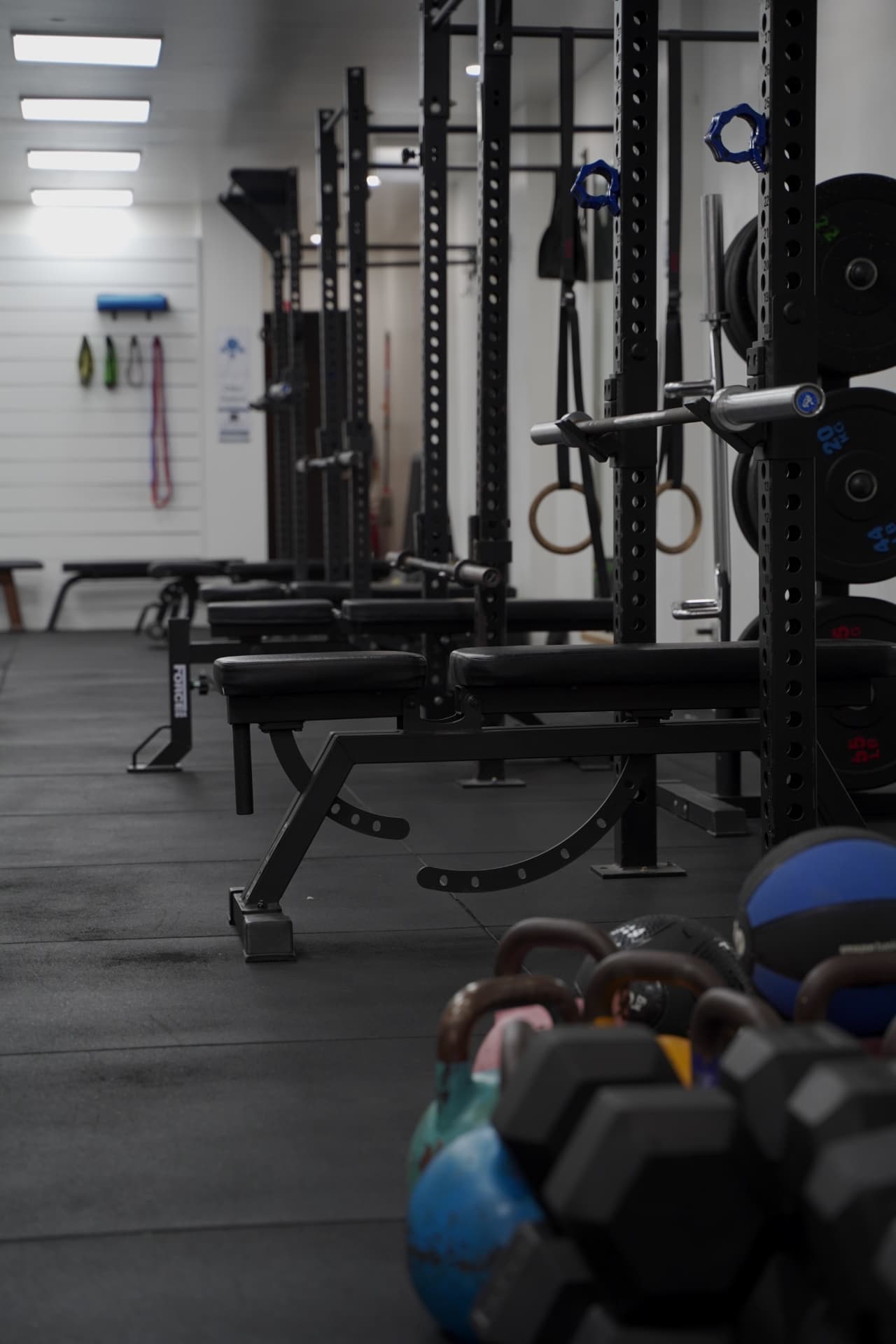
We're inside PT Central on the Pacific Highway, which means the rehab happens in a room with actual weights in it. You get a straight explanation of what's going on, a realistic timeframe, and a plan you can follow.

Registered
Registered chiropractor, BChiroSci, MChiro
On the spot
HICAPS private health claiming, EPC plans accepted
Evidence-led
Hands-on care plus strength rehab, with the research to back it
Inside PT Central
455 Pacific Hwy, a minute from Crows Nest Metro
What we do
Three jobs. Done well.
01 · PAIN
Get it settled
Pain is the thing that stops you training, stops you sleeping, or stops you picking up your kids. First job is working out what's actually driving it and bringing it down.
02 · RECOVERY
Rebuild it properly
Hands-on work and adjustments to restore movement, then a real rehab plan to rebuild strength and control. No 'rest it and see how it feels.' You get a map back to full load.
03 · PERFORMANCE
Keep it there
Return-to-sport testing before you go back full tilt, and the strength work that reduces the odds of the same thing happening again. Whether that's a squat PB or getting through a Saturday game.
What we treat
Built for people who train
A straight answer, then a plan.
Most people don't come in until something has already stopped them training. We'd rather see you before that, but if you're already there, no dramas.
You'll get told what's going on in plain terms, when you can realistically get back to it, and what it'll take to get there. If chiropractic isn't the right answer for what you've got, you'll get told that too, along with who you should see instead.
- Lifters, runners, team sport, and anyone whose week falls apart when they can't train
- Desk workers whose back gives out on the gym floor, not at the desk
- People who've been told to 'just rest' and want something more useful than that
- Anyone who wants to understand their own injury rather than be adjusted in silence
What happens when you book
Initial consultation
A full history and physical assessment so we understand the problem and the wider picture. If treatment is appropriate and you're happy to go ahead, it happens in the same visit.
Report of findings
We go through what the assessment showed, in language that means something, and build the plan together. Treatment happens at this visit too.
Follow-up call
An actual phone call a few days in to check how you've responded. Not a text.
Ongoing treatment and review
Sessions tailored to where you're up to, with a structured review roughly every three months or twelve visits to reassess and decide what's next.
Inside the clinic
Rehab happens in a room with actual weights in it, right where you train.


Find us
Chiro Central
455 Pacific Hwy, Crows Nest NSW 2065Inside PT Central
A few minutes from St Leonards station, one minute from Crows Nest Metro station, and walkable from Naremburn, Wollstonecraft, Cammeray and North Sydney.
Book a session →Opening hours
- Monday7:30am – 7:30pm
- Tuesday7:30am – 6pm
- Wednesday2pm – 7:30pm
- Thursday7:30am – 7:30pm
- Friday7:30am – 4pm
- Saturday8am – 11:30am
- SundayClosed
The evidence
What the research actually supports.
No overclaiming. Here is what the good research says about the care we provide, and where the limits are.
Manual therapy works, and works better with exercise
Spinal manipulation and mobilisation produce meaningful short-term reductions in pain and improvements in function for spinal pain, and the effects are strongest when combined with exercise rather than used alone.²³
Strength training is the standout for prevention
A landmark meta-analysis found strength training reduced sports injuries to roughly one third of baseline, with a dose-response relationship: more strength work, fewer injuries.⁵
Neck-driven headaches respond well
For cervicogenic headache, manual and exercise therapy shows moderate-to-large short-term effects on headache frequency and intensity.⁴
It has a strong safety record
Serious adverse events from spinal manipulation are rare. The most common side effect is short-lived soreness that settles within a day or two.¹ We screen before treating and refer when something needs medical assessment.
Active beats rest
Current back pain guidelines favour staying active, movement and graded exercise over rest and medication.² If you have been told to just rest it, that advice is out of date.
Conservative care first
Seeing a non-drug provider first for spinal pain is associated with a lower likelihood of opioid use later on.⁶
Common questions
Do I need a referral to see a chiropractor?+
No. Chiropractors are primary contact practitioners in Australia, so you can book directly. If your GP has given you an EPC plan, bring it along and we can use it.
Does it hurt?+
Treatment shouldn't be painful. Some techniques feel firm, and it's common to be a little sore for a day afterwards, much like after a decent gym session. Serious adverse events are rare, and we always explain what we're doing before we do it.
Do I have to be adjusted?+
No. Manipulation is one tool of several. If it isn't suitable for your presentation, or you'd simply rather not, mobilisation, soft tissue therapy, dry needling and loading achieve the same goals.
How many visits will I need?+
Most straightforward problems respond within a handful of visits with a home program running alongside. You'll get an expected timeframe at your second visit, and a formal review roughly every three months or twelve visits so you always know where you stand.
Can I claim on private health?+
Yes. HICAPS is available on the spot for chiropractic, so you only pay the gap. EPC plans and other scheme claims can be arranged, just ask before your visit.
Will I need X-rays or a scan?+
Usually not. Imaging is only useful when it changes your management, and for most mechanical spinal pain it doesn't. If your history or examination suggests it's warranted, we'll refer.
Can I keep training?+
Almost always in some form. We modify the movement, range, load or volume rather than stopping you, and keep training the rest of you while the injured tissue recovers.
What if chiropractic isn't the right answer?+
We'll tell you, and tell you who to see instead. That's part of the job, and we screen for it at your first visit.
The goal was never just pain-free.
It's back to full speed, and staying there.